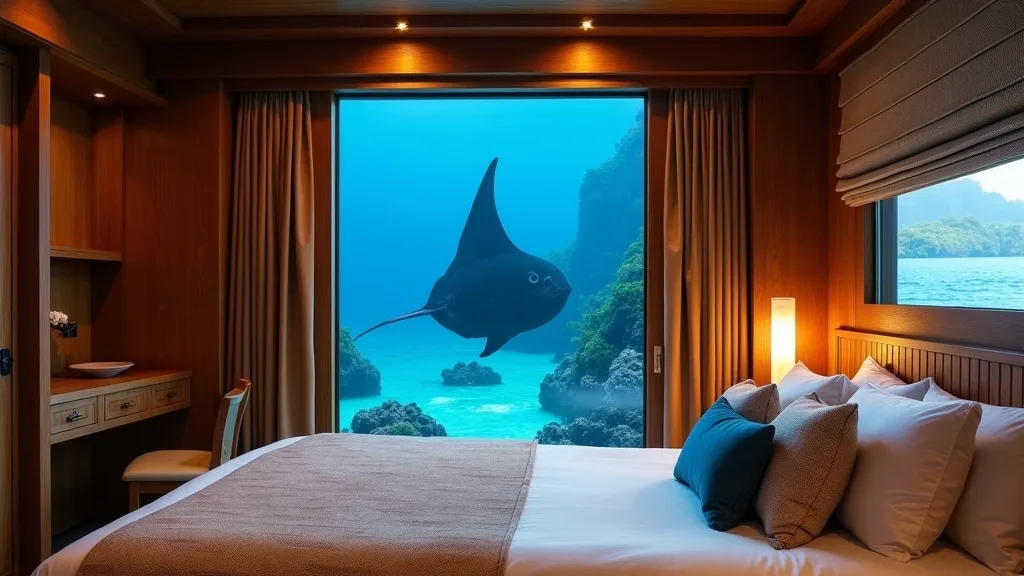
Raja Ampat’s manta season peaks December to March at Manta Sandy and Manta Point. Plan your liveaboard for optimal manta encounters.
Raja Ampat Manta Season: Timing and Highlights
The manta season in Raja Ampat spans from October to April, with the best sightings occurring from December to March. During these months, the waters around Raja Ampat teem with both reef and oceanic manta rays, making it an ideal time for enthusiasts.
Peak Manta Activity
The northwest monsoon between December and March not only brings calm seas but also draws in mantas to cleaning stations like Manta Sandy and Manta Point. These sites offer reliable encounters, with mantas often seen gliding gracefully in the nutrient-rich waters.
Visibility and Conditions
Visibility during this period ranges from 20 to 30 meters, with some days offering even clearer waters. The water temperature stays warm, between 27–30°C (81–86°F), ensuring comfortable diving conditions.
Top Dive Sites for Manta Rays
Raja Ampat boasts several key sites for manta ray encounters, each offering unique underwater experiences.
Manta Sandy
Located in the Dampier Strait, Manta Sandy is renowned for its manta cleaning station. Divers often witness mantas queuing up for cleaning services provided by smaller fish.
Manta Point
This site is another highlight of the Dampier Strait, frequented by both reef and oceanic mantas. The site’s topography and currents make it a hotspot for manta activity.
- Blue Magic: Known for its diverse marine life, including mantas.
- Manta Ridge: Offers frequent manta sightings.
- Shadow Reef (Magic Mountain): A southern Misool site with vibrant underwater life.
While Misool sees an earlier end to its manta season compared to the Dampier Strait, it remains a pivotal part of the manta experience in Raja Ampat.
Logistics of Visiting Raja Ampat
Getting to Raja Ampat involves flying into Sorong Airport (SOQ) in West Papua, followed by a 2.5 to 3-hour speedboat ride to Waisai. A Raja Ampat Marine Park Entry Permit is required, costing IDR 700,000 (~USD 45), valid for 12 months.
Booking Your Permit
Permits can be purchased online or at the BLUD UPTD office in Waisai. It’s advisable to secure your permit in advance to ensure a smooth start to your adventure.
Liveaboard Options and Considerations
Exploring Raja Ampat’s archipelago is best done via a liveaboard, offering durations from 3D2N to 11D10N. Phinisi boats provide ensuite cabins, a dedicated crew, and a chef to enhance your diving experience.
Choosing the Right Liveaboard
When selecting a liveaboard, consider the cabin facilities, especially if you prefer ensuite bathrooms. Some older vessels may have limited bathroom availability.
Best Months for Cruising
November to March presents the calmest seas and optimal marine life sightings, making it the best time for a liveaboard trip.
For more insights, visit our detailed guide on best time for Raja Ampat liveaboard.
Marine Life Beyond Mantas
Aside from mantas, divers can expect to see a vibrant array of marine life including schooling jacks, reef sharks, and turtles. The region’s biodiversity makes each dive a unique experience.
Weather and Dive Conditions
Raja Ampat enjoys a consistent air temperature of 31°C (88°F) during the day and 25°C (77°F) at night, with approximately 12 hours of daylight throughout the year.
2026 Update: Current Trends
As of 2026, Raja Ampat continues to thrive as a premier destination for manta ray encounters and biodiversity. Enhanced conservation efforts have further improved the health of its marine ecosystems. The region remains a top choice for both novice and seasoned divers.
Plan Your Liveaboard Adventure
Ready to explore Raja Ampat’s underwater wonders? Plan your liveaboard on WhatsApp with Komodo Luxury, and start a journey through some of the world’s most captivating marine landscapes.
If you’re a seasoned diver or new to the underwater world, Raja Ampat offers an unforgettable experience. Check our diving liveaboard options to start planning your trip today.