Planning a Komodo to Raja Ampat combo trip? Discover the best times to visit, key dive sites, and essential logistics for an unforgettable liveaboard experience.
Starting Your Komodo Raja Ampat Combo Journey
Starting on a journey from Komodo to Raja Ampat is a dream for many diving enthusiasts. This unique combo trip offers an adventure through two of Indonesia’s most stunning marine environments. To make the most of your trip, careful planning is essential, especially considering the logistics of travel between these remote locations.
Starting point Airports and Travel Logistics
Flight Options
- Sorong Airport (SOQ): This is your primary starting point to Raja Ampat. Flights to Sorong are available from several major cities in Indonesia. From Sorong, liveaboards typically depart for the islands.
- Labuan Bajo (LBJ): Serving as the starting point to Komodo, Labuan Bajo is accessible via direct flights from Bali and Jakarta.
Travel Between Destinations
For those combining both destinations, it’s advisable to start from either Sorong or Labuan Bajo and plan your itinerary accordingly. Speedboat transfers from Sorong to Waisai take approximately 2.5 to 3 hours.
Key Sites and Marine Attractions
Raja Ampat Highlights
Raja Ampat is renowned for its diverse marine life and exceptional dive sites. Some must-visit spots include:
- Wayag: Known for its picturesque karst islands and clear waters.
- Misool: Offers vibrant coral gardens and dramatic underwater landscapes.
- Dampier Strait: Famous for its nutrient-rich currents attracting large schools of fish.
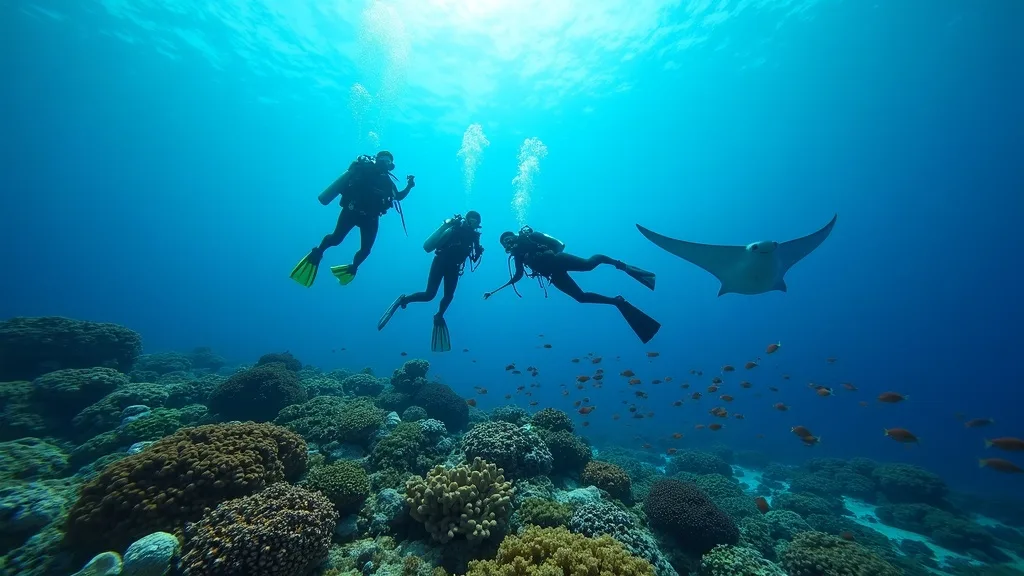
- Manta Sandy: The go-to spot for manta ray encounters, particularly between December and March.
Komodo National Park Attractions
Komodo offers exciting diving and land-based adventures:
- Komodo Island: Home to the famous Komodo dragon, the park’s terrestrial highlight.
- Manta Point: A top site for spotting manta rays year-round.
- Pink Beach: Notable for its unique pink sand and excellent snorkeling opportunities.
Liveaboard Options and Duration
Phinisi Liveaboards
Liveaboards operating in these regions are typically traditional phinisi boats, offering ensuite cabins, a professional crew, a chef, and well-equipped dive decks. The trip durations vary from 3 days and 2 nights to extensive 11-day journeys.
Recommended Itineraries
- Shorter Trips: For those with limited time, a 3D2N itinerary can offer a taste of the underwater wonders.
- Extended Voyages: An 11D10N trip allows for comprehensive exploration of both Komodo and Raja Ampat, including visits to remote sites like South Misool.
Seasonal Considerations
Planning your trip between October and April is ideal, as this period offers the best diving conditions and calm seas. Manta ray enthusiasts should aim for December to March, when sightings peak.
Essential Permits and Certifications
Raja Ampat Marine Park Entry Permit
All visitors must obtain a marine park entry permit, costing IDR 700,000 (~USD 45) for foreign tourists. This permit is valid for 12 months and can be purchased online or at the BLUD UPTD office in Waisai.
Dive Certification Requirements
For safety and to ensure a rewarding experience, divers are encouraged to hold at least an Advanced Open Water or Level 2 certification, particularly for current-heavy sites around Misool.
2026 Update: Travel and Safety Tips
As of 2026, the local authorities have enhanced safety protocols for marine tourism. It is advisable to check the latest health guidelines and travel advisories before your trip. Book your liveaboard in advance to secure your spot during the peak season.
Ready to Dive? Start Planning Your Adventure
With its rich biodiversity and stunning natural beauty, a Komodo to Raja Ampat combo trip is a once-in-a-lifetime experience. If you’re diving with manta rays or exploring the lush islands, this journey will leave you with unforgettable memories. Plan your liveaboard on WhatsApp today and start your Indonesian adventure.
Unique Cultural Experiences
Beyond diving, immerse yourself in the local culture. Visit Arborek Village in Raja Ampat to witness traditional Papuan dances and crafts. In Komodo, explore the local markets in Labuan Bajo for a taste of regional cuisine and crafts.
Conservation Efforts and Sustainable Tourism
Both regions have active conservation programs. Participate in coral reef restoration projects or learn about the efforts to protect the Komodo dragon’s habitat. Supporting local initiatives helps preserve these unique ecosystems for future generations.