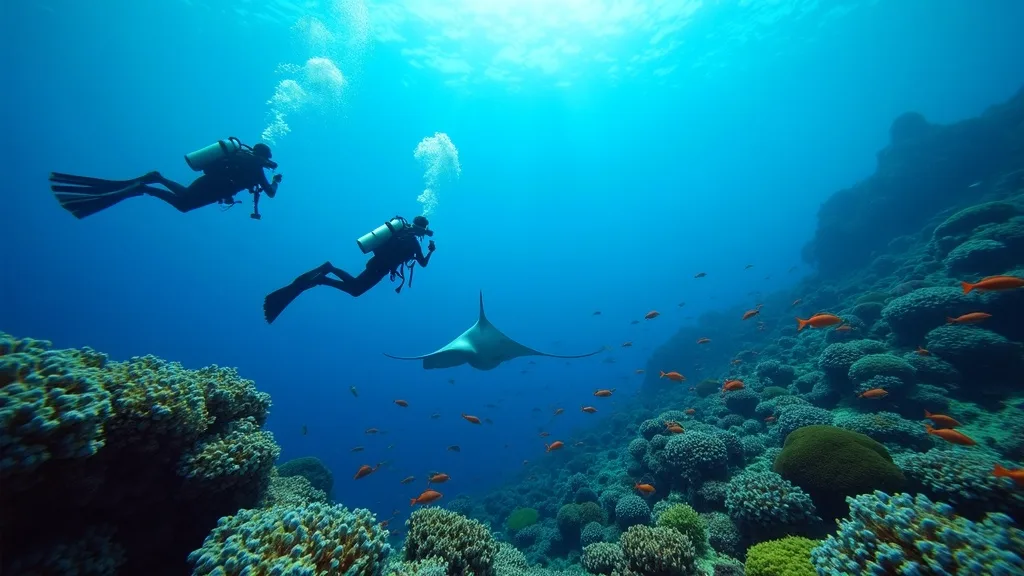
Discover the best time to dive Raja Ampat, from October to April, with peak manta sightings between December and March. Plan your trip for the best underwater experiences and stunning marine life encounters.
Understanding the Best Time to Dive Raja Ampat
Diving in Raja Ampat is a dream for many enthusiasts, but timing your visit can make all the difference. The best time to dive Raja Ampat is between October and April, with optimal conditions for visibility and marine life encounters.
Peak Diving Season: October to April
The diving conditions in Raja Ampat are at their best from October to April. During this period, the seas are calmer, and the water is warm, ranging from 27°C to 30°C. Visibility is excellent, especially in exposed sites where it can reach 25–40 meters, making it ideal for both divers and photographers alike.
Manta Ray Season
For those eager to swim alongside the majestic manta rays, the prime time is from December to March. Manta Sandy and Manta Point are reliable spots for sightings, with February offering the unique opportunity to witness both Reef and Giant manta rays in one dive.
Shoulder Months: October and April
October marks the start of the diving season and can be a great time for those looking for value, while April is perfect for avoiding crowds. Both months offer satisfactory conditions, albeit with fewer divers around.
Understanding the Conditions
It’s important to understand the conditions you might face while diving in Raja Ampat to ensure a safe and enjoyable experience.
Visibility
- High-Season Visibility: 25–40 meters at exposed sites, 15–25 meters at sheltered macro sites.
- Plankton Blooms: While these can reduce visibility, they attract pelagic species, enhancing your dive experience.
Water Temperature
- Consistent 28–30°C year-round, with occasional drops due to thermoclines.
Key Dive Sites in Raja Ampat
Raja Ampat offers a plethora of dive sites that cater to all levels of divers. Some of the must-visit locations include:
Wayag and Misool
Known for their stunning underwater landscapes and vibrant marine life, Misool and Wayag offer some of the clearest diving conditions from mid-November to mid-March.
Dampier Strait and Cape Kri
These sites are famed for their biodiversity, offering divers the chance to see a wide range of fish species and coral formations.
Manta Stations
Manta Sandy and Manta Ridge are essential for those wanting to witness manta rays at cleaning stations.
Essential Logistics for Your Dive Trip
Proper planning is crucial for a seamless dive trip in Raja Ampat.
Getting There
- Starting point Airport: Fly to Sorong Airport (SOQ), West Papua.
- Transfer to Waisai: A speedboat from Sorong to Waisai takes around 2.5–3 hours.
Marine Park Entry Permit
Foreign visitors must obtain a marine park entry permit, costing IDR 700,000 (approximately USD 45), valid for 12 months.
Liveaboard Realities & Planning
Liveaboards are the best way to explore Raja Ampat’s remote dive sites. With durations ranging from 3 days to 11 days, they offer ensuite cabins, a dedicated crew, and a chef to enhance your diving experience. For more details, explore our liveaboard options and best time to visit.
2026 Update Note
As of 2026, the diving conditions and logistics remain consistent with previous years. However, always check for any updates or changes in local regulations and weather patterns before planning your trip.
Ready to the wonders of Raja Ampat? Plan your liveaboard on WhatsApp and start an unforgettable journey through Indonesia’s underwater paradise.
Exploring the Komodo National Park
Komodo National Park is renowned for its exceptional marine biodiversity and exhilarating drift dives.
Rinca Island and Batu Bolong
Rinca Island offers unique opportunities to spot Komodo dragons, while Batu Bolong features stunning coral gardens and abundant fish life.
Drift Diving in Komodo
Sites like Castle Rock and Crystal Rock are famous for thrilling drift dives where divers can encounter sharks, rays, and large schools of fish.
Planning a Komodo Liveaboard
Liveaboards in Komodo typically range from 4 to 10 days, offering access to remote sites and flexible itineraries that adapt to current conditions.
Best Time to Visit
The ideal time for a Komodo liveaboard is between April and November, with optimal conditions peaking from June to August.
Komodo Liveaboard Safety Tips
Safety is paramount when starting a liveaboard adventure in Komodo.
Essential Gear
Ensure you have a reliable dive computer, surface signaling devices, and a reef hook for safety during drift dives.
Training and Experience
Divers should be comfortable with strong currents and have experience in drift diving to fully enjoy Komodo’s exhilarating underwater landscapes.