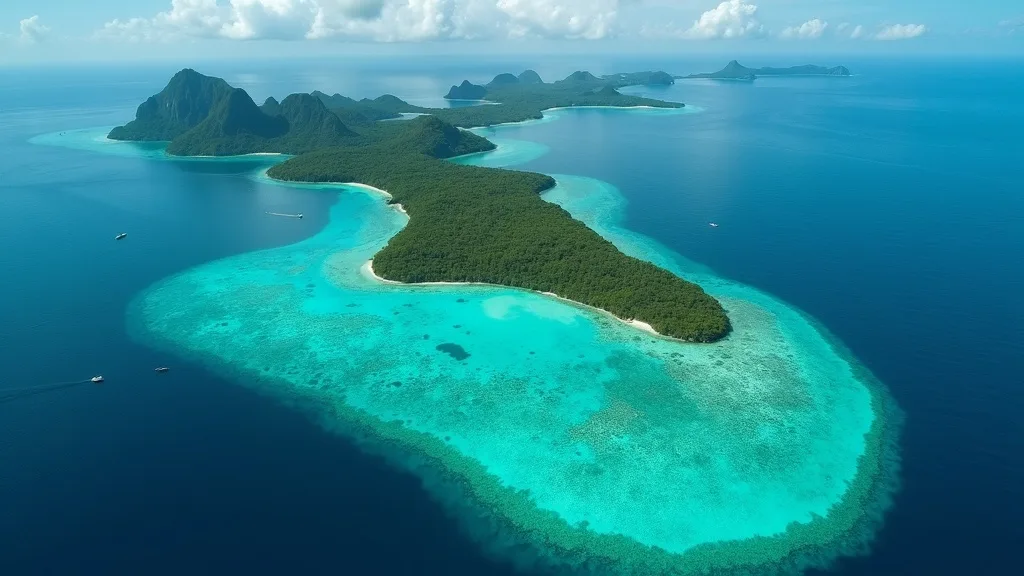
Cape Kri in Raja Ampat is a must-visit for divers, holding the world record for observing 374 fish species in just 90 minutes. Learn about logistics, ideal diving times, and the vibrant marine life that awaits you at this remarkable site.
Cape Kri Raja Ampat: A Record-Holding Dive Site
Located the Coral Triangle, Cape Kri is a dive site that has captured the attention of the global diving community. In 2012, marine biologist Dr. Gerald R. Allen recorded an astonishing 374 different fish species during a single 90-minute dive, setting a world record. This achievement underscores the incredible biodiversity found in Raja Ampat’s waters.
Diving Conditions at Cape Kri
For those planning to dive here, it’s important to be prepared for the conditions:
- Max Depth: 40 meters (130 feet).
- Visibility: 20–30 meters (65–100 feet).
- Water Temperature: 27°C–30°C throughout the year.
- Currents: Moderate to strong, perfect for drift diving.
- Difficulty: Intermediate to advanced, due to the currents.
Logistics for Diving at Cape Kri
Reaching Cape Kri requires a bit of planning, but it’s a journey worth undertaking:
Getting There
Fly into Sorong Airport (SOQ) in West Papua, your starting point to Raja Ampat. From there, expect a 4 to 6-hour speedboat ride to Waisai, the starting point for most Raja Ampat adventures.
Marine Park Entry
Visitors to Raja Ampat need a Marine Park Entry Permit, costing IDR 700,000 (approximately USD 45) per foreign visitor. This permit is valid for 12 months and can be purchased online or at the BLUD UPTD office in Waisai.
Liveaboard Options
The best way to explore Cape Kri and other iconic sites is through a liveaboard cruise. Ranging from 3D2N to 11D10N, these trips offer ensuite cabins, a dedicated crew, a chef, and a dive deck. Costs range from USD 1,200 to 2,500 per person for a 3D2N to 7D6N cruise, with premium options available for those seeking luxury.
Marine Life and Diving Highlights
The waters around Cape Kri are teeming with life, offering a spectacular underwater experience:
Diverse Marine Life
Expect to see species, from sharks and tuna to vibrant hard and soft corals, large sponges, and gorgonian fans. The nutrient-rich currents attract pelagics and mantas, particularly from November to April.
Prime Dive Times
The best times to dive are at dawn or dusk when fish activity peaks due to feeding. During these times, you’ll experience the reef at its most vibrant.
Planning Your Dive Trip
For those eager to this underwater paradise, careful planning is essential. Consider booking a liveaboard to maximize your time and access to multiple dive sites. Our Raja Ampat Diving Liveaboard page offers valuable insights into planning your adventure.
Best Season to Visit
The optimal time to dive in Raja Ampat is between October and April. During this period, seas are calmer, and the visibility is at its best. Manta rays are particularly prevalent from December to March, offering a thrilling sight for divers.
2026 Update: Staying Informed
As of 2026, Raja Ampat remains a premier diving destination, with continued conservation efforts ensuring the protection of its rich marine biodiversity. Stay updated on travel and diving conditions through official channels and local operators.
Ready to Dive? Plan Your Adventure
If exploring Cape Kri and the wonders of Raja Ampat is on your bucket list, don’t hesitate to plan your liveaboard on WhatsApp with our team. an unforgettable journey through one of the world’s most diverse marine ecosystems.
Exploring Komodo National Park: Beyond Raja Ampat
While Raja Ampat is a diver’s dream, Komodo National Park offers an equally awe-inspiring experience, known for its unique blend of terrestrial and marine attractions.
Komodo’s Unique Diving Spots
Sites like Batu Bolong and Castle Rock are renowned for their vibrant coral reefs and diverse marine life, including barracudas, reef sharks, and schools of trevallies.
Land Adventures
Beyond the underwater marvels, Komodo National Park is home to the famous Komodo dragons. Guided hikes offer a chance to observe these ancient creatures in their natural habitat, adding a terrestrial highlight to your dive trip.
Combining Raja Ampat and Komodo in One Trip
For those looking to make the most of their Indonesian diving adventure, consider combining both Raja Ampat and Komodo in one itinerary.
Travel Logistics
After exploring Raja Ampat, fly from Sorong to Labuan Bajo, the starting point to Komodo. Numerous flights and travel packages make this combination both convenient and rewarding.
Extended Liveaboard Cruises
Several operators offer extended itineraries that cover both regions, allowing you to experience the best of Indonesia’s underwater and terrestrial wonders in one seamless journey.