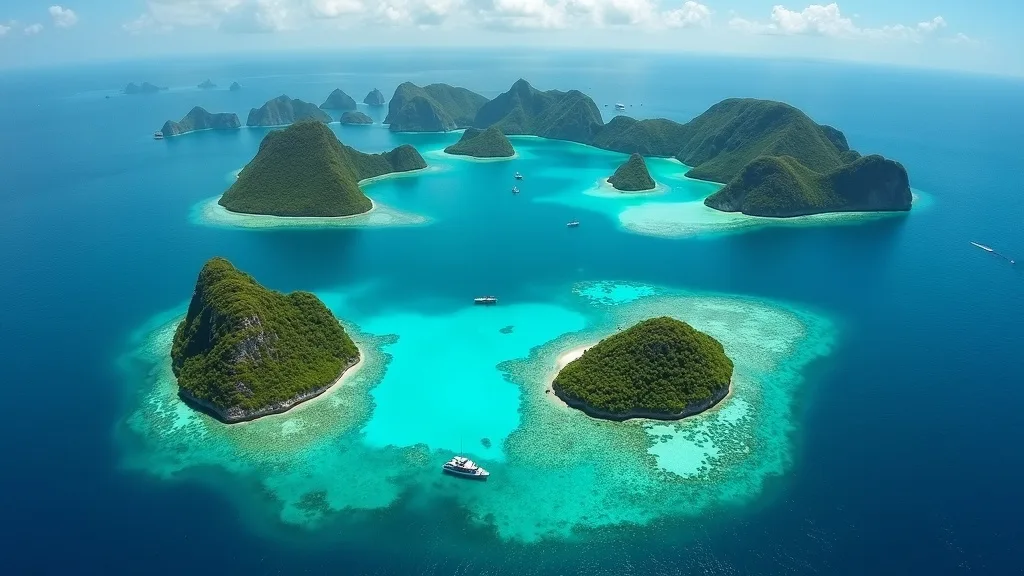
Discover the differences between Raja Ampat and Komodo liveaboard experiences. From the best seasons to key dive sites, we’ll help you decide which adventure suits your diving dreams.
Raja Ampat vs Komodo: A Diver’s Dilemma
Choosing between a liveaboard in Raja Ampat and Komodo is a decision many divers face. Both regions offer stunning marine biodiversity, but they each have unique characteristics that cater to different diving preferences. Here, we break down the essentials to help you make an informed choice.
The Starting point to Paradise
Raja Ampat Access
To reach Raja Ampat, you’ll need to fly into Sorong Airport (SOQ) in West Papua. From there, it’s a scenic 2.5 to 3-hour speedboat journey to Waisai, the jumping-off point for your liveaboard adventure.
Komodo Access
For Komodo, your journey begins at Labuan Bajo (LBJ) in the Bali region. A shorter boat transfer of about 1 to 2 hours will take you directly to the heart of Komodo National Park.
Seasonal Diving Insights
Raja Ampat’s Prime Time
The best months to explore Raja Ampat’s underwater wonders are from October to April, with manta ray sightings peaking from December to March. This season promises calmer seas and excellent visibility.
Komodo’s Prime Time
In contrast, Komodo is best visited between April and November, during the dry season. Manta rays can frequently be seen from July to October, though this varies by site.
Diving Highlights
Raja Ampat Dive Sites
- Wayag: Known for its picturesque karst islands and vibrant reefs.
- Misool: Home to some of the richest biodiversity in the world.
- Dampier Strait: A current-swept area teeming with schools of fish.
- Cape Kri: Holds the record for most species recorded in a single dive.
- Manta Sandy: A cleaning station for graceful manta rays.
- Arborek: Offers easy access to a lively reef full of life.
Komodo Dive Sites
- Manta Point (Komodo): Famous for its resident manta rays.
- Castle Rock: A submerged pinnacle attracting large pelagic species.
- Crystal Rock: Known for clear waters and abundant marine life.
- Pink Beach: Offers vibrant corals and easy shore access for night dives.
- Rinca Island: Combines diving with a chance to see Komodo dragons on land.
Entry Permits and Fees
The Raja Ampat Marine Park Entry Permit costs IDR 700,000 (~USD 45) per foreign visitor and is valid for 12 months. You can purchase it online or at the BLUD UPTD office in Waisai. In Komodo, park fees range from IDR 300,000 to 400,000 (~USD 20–27), with prices varying by season and specific activities.
Deciding Factors: Which is Right for You?
Ultimately, the choice between a Raja Ampat liveaboard and a Komodo liveaboard may come down to the type of marine life you wish to encounter and the style of diving you prefer. Raja Ampat is ideal for those seeking remote, biodiverse reefs, while Komodo caters to divers looking for thrilling encounters with larger pelagics and unique terrestrial wildlife.
2026 Update: Plan Your Perfect Dive Trip
As of 2026, both regions have maintained their reputation for exceptional diving. It remains important to consider seasonal variations and personal diving preferences when planning your trip.
Ready to one of these incredible destinations? Plan your liveaboard on WhatsApp with us today and start your next aquatic adventure.
Unique Cultural Experiences
Beyond diving, both Raja Ampat and Komodo offer fascinating cultural interactions. In Raja Ampat, visit Arborek Village to experience local Papuan life and traditional dances. In Komodo, explore the island’s unique heritage, with opportunities to learn about the indigenous communities and their age-old traditions.
Onboard Amenities and Comfort
Liveaboards in both regions offer a range of amenities to enhance your experience. Expect comfortable cabins, delicious meals featuring local and international cuisine, and expert dive guides to ensure safety and maximize your underwater exploration. Both Raja Ampat and Komodo liveaboards typically offer photography facilities, allowing you to capture the vibrant marine life you encounter.
Environmental Conservation Efforts
Both regions are committed to marine conservation. Raja Ampat is part of the Bird’s Head Seascape initiative, focusing on sustainable tourism and biodiversity protection. Similarly, Komodo National Park is a UNESCO World Heritage site, with strict regulations to preserve its unique ecosystems. Participating in a liveaboard trip contributes to these conservation efforts, supporting local economies while ensuring the protection of these pristine habitats for future generations.